Soft washing prioritizes compatibility, dwell, and a controlled rinse
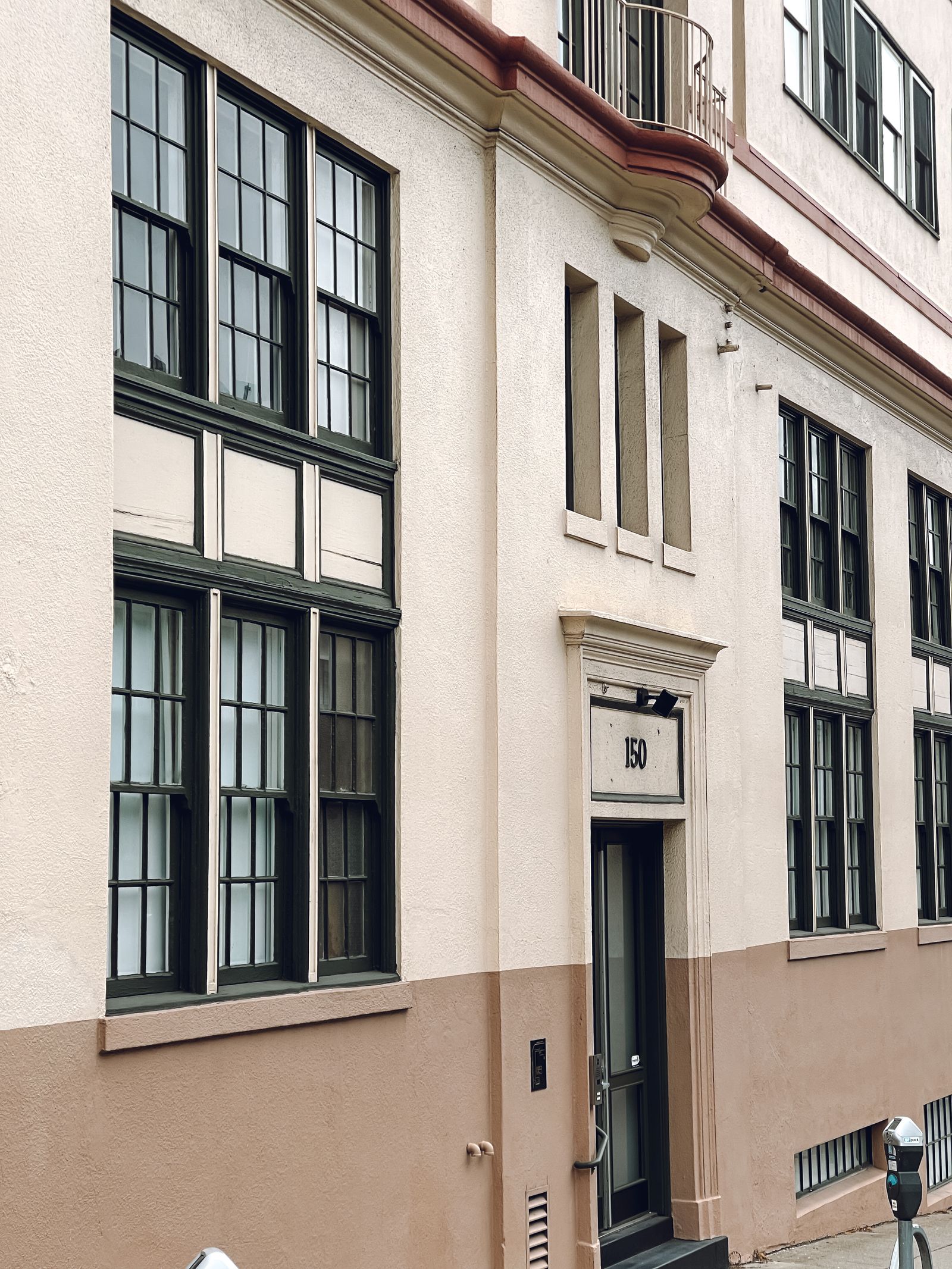
Soft washing generally uses a compatible cleaning solution, a planned dwell period, and a controlled rinse rather than relying on impact force to do all the work. It may fit selected stucco, painted masonry, EIFS, concrete, brick, or other tested zones with algae, mildew, pollen, bird residue, salt-adjacent film, and atmospheric soil. Lower pressure can reduce some mechanical stress, but chemistry, temperature, dwell, wind, overspray, plant exposure, and water entry still require attention. A test area should be inspected after it dries when the coating history or substrate response is uncertain.
Minneapolis buildings often mix materials on one elevation. A downtown office may include historic brick, replacement windows, metal trim, precast, sealants, concrete entrances, and salt-marked lower bands. A suburban retail center may add storefront glass, awnings, sign bands, bollards, canopies, and landscaped islands. A method that fits a durable wall section may not fit an aging coating or an architectural detail. Break the project into zones, identify the visible condition, and define the expected result before selecting a wash process.
Pressure washing has a narrower role than many building bids suggest
Pressure washing can be useful on selected sound concrete, pavement, curbs, loading areas, parking structures, and other durable zones when water force, flow, nozzle, distance, and operator control match the surface. That does not make an entire building a pressure-washing job. Excess force can remove paint, scar softer masonry, erode mortar, disturb sealants, drive water behind trim, and create wand marks. A surface that looks hard from the parking lot may have a fragile coating, open joint, or concealed edge that cannot tolerate the same treatment as a slab.
Ask for a method by service zone rather than a promise to power wash everything. The scope should describe test areas, pressure or flow approach, window and plant protection, water volume, hose routing, runoff controls, snow and ice assumptions, and the stop point when a stain does not respond. Scraping, hand agitation, squeegee work, mineral restoration, oxidation treatment, coating repair, and masonry work are separate needs. More force may change the appearance while leaving the source of the condition unresolved or making a repair issue more visible.
Minneapolis neighborhoods change the access and disruption calculation
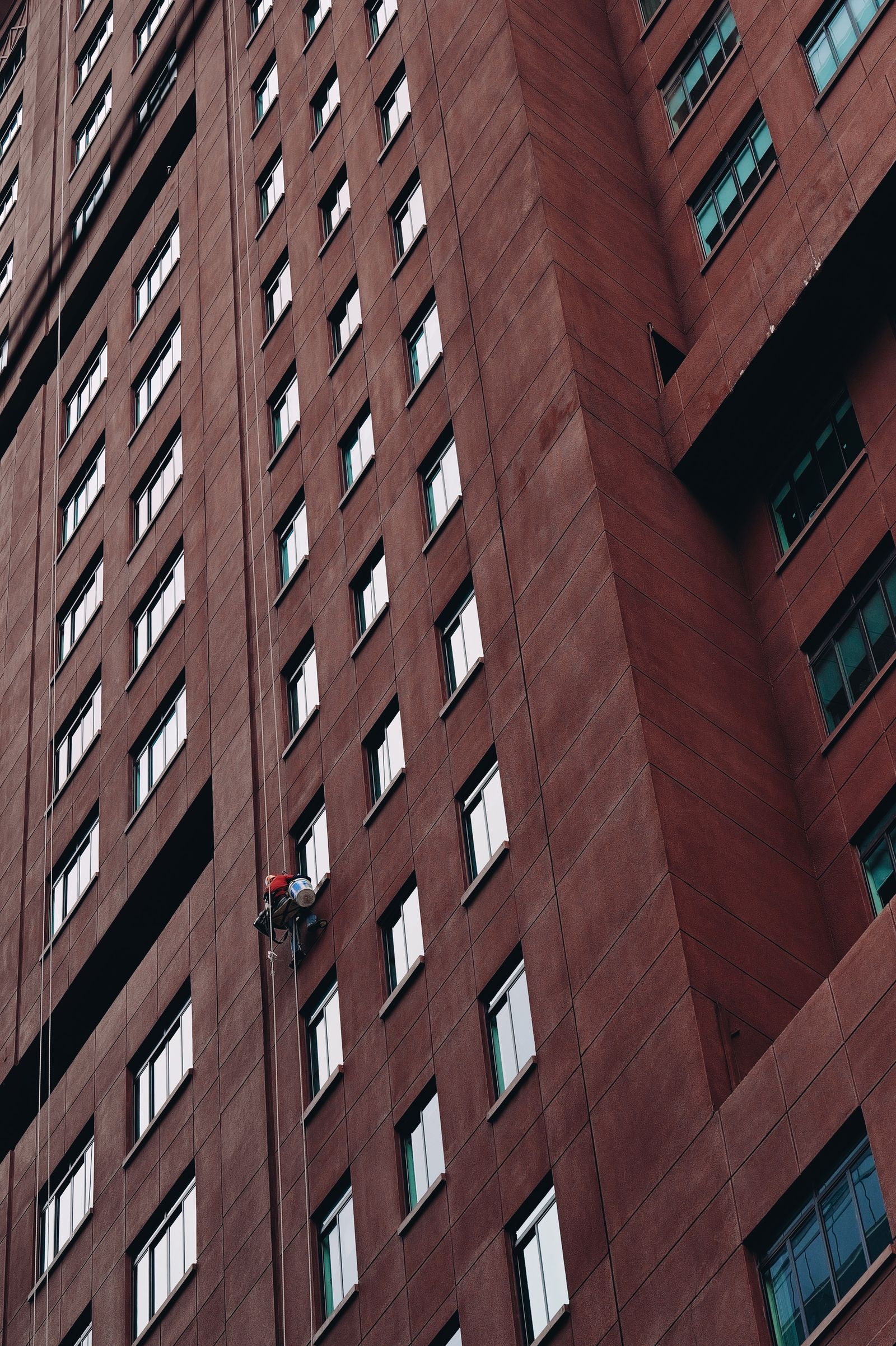
An efficient method for a fenced industrial property is not automatically efficient beside an active sidewalk or hotel entrance. Downtown, the North Loop, Downtown East, the Mill District, the Warehouse District, and the riverfront can involve pedestrians, transit, events, restaurants, residents, deliveries, and limited staging. University and medical properties add students, patients, researchers, security, and sensitive operations. Uptown, Northeast, Whittier, and Dinkytown bring storefront traffic, apartments, buses, and parking movement. Bloomington, Edina, Brooklyn Park, and the airport corridor may offer more room but can still require coordination with commuter peaks, loading traffic, and public entrances.
Drone-assisted wetting or rinsing may help on selected upper zones when there is clear stand-off space, a suitable launch and recovery area, workable water access, visual control, and ground space that can be protected. Trees, wires, balconies, signs, rooftop equipment, public roads, transit, nearby buildings, and moving people can make it unsuitable. A lift, water-fed pole, or hand crew may be more productive for a small contact-detail area or a required finish. Compare the entire operation, including barriers, observers, hoses, water, access, and disruption, instead of comparing equipment labels.
Snow, freeze-thaw, lake exposure, and road salt belong in the comparison
Minneapolis winter conditions can affect application, dwell, drying, visibility, ground safety, and water movement. Snow storage can block a wall or hide a curb inlet. Freeze-thaw cycles can reveal open joints, damaged masonry, or vulnerable sealants. Road salt can accumulate at doors, lower facade bands, parking ramps, and loading areas, then move with spring melt. A lake or river-facing wall may experience different wind and moisture than a protected courtyard. These are reasons to inspect the surface and water path, not reasons to choose a stronger machine automatically.
Do not treat a calendar date as permission to work through unsuitable conditions. Rain can dilute chemistry or redirect runoff. Freezing temperatures can create walking hazards and affect the surface. Wind changes overspray, hose behavior, aerial stability, and public controls. Snow or ice can make a proposed recovery route impossible. When a storm, thaw, or temperature shift changes the site, the team should pause, secure equipment, reassess, and resume only when the method still matches conditions. A responsible schedule protects the building and gives the property a more predictable finish.
- Review wind, rain, temperature, lightning, snow, ice, and drying conditions before each elevation.
- Separate road salt, mineral deposits, oxidation, organic growth, and ordinary atmospheric film.
- Map snow storage, drains, low points, landscaping, public routes, and neighboring property.
- Define weather, traction, temperature, and runoff pause triggers before mobilization.
Drone assistance can support a method, but it does not replace one
Drone-assisted application or rinsing may reduce lift repositioning on broad upper sections when the surface is compatible and the site supports stand-off distance, launch space, ground control, water management, and suitable wind. It can help with a maintenance wash across upper walls, parapets, ledges, or sign bands. It cannot squeegee glass, scrape bonded residue, polish mineral deposits, brush a recessed detail, repair a joint, or confirm hidden facade conditions by touch. A quote should identify what the aircraft is expected to accomplish and what remains outside its reach.
Minneapolis locations near MSP, heliports, stadiums, public events, controlled facilities, or crowded streets require additional review. Commercial small-UAS work must follow applicable FAA requirements, and property approval does not replace those requirements. If a building is too close to people, wires, trees, neighboring structures, or sensitive equipment, another access approach may be safer and more productive. A hybrid scope can use drone-assisted rinsing above, a pole system for selected glass, controlled pressure on durable pavement, and hand detail at entrances.
Plan water, storm drains, landscaping, and snowmelt before approval
Minneapolis sites can have pavement slopes, parking garages, planted beds, curb inlets, loading zones, and public edges directly below the facade. Review the water source, hose route, drains, low points, landscaping, doors, air intakes, vehicles, and neighboring property. Products and soil removed from a building may change the water-management requirement. City stormwater information is useful, but an online resource does not authorize every discharge at every property. Depending on the activity, controls may include diversion, collection, recovery, filtration, reduced rinse volume, protection, disposal, or coordination with the responsible authority.
Ask what happens if the observed drainage path differs from the plan. Ask who protects plants and equipment, who controls the public edge, and how the crew documents a work stoppage or incomplete zone. Ask how snow piles, frozen ground, or spring melt affect the water path. A clear closeout should show completed elevations, remaining stains, damage or repair observations, weather interruptions, and the next recommendation. The goal is not simply a clean wall; it is a predictable process that leaves the property safe, usable, and informed about what was actually done.
Compare Minneapolis cleaning quotes by result, access, and risk
Give every bidder the same address, photos, approximate height, materials, target elevations, staining concerns, water access, drainage information, public routes, tenant or guest restrictions, snow-storage limitations, and desired finish. Ask each bidder to name the method for each zone and explain its test-area plan. The proposal should distinguish soft washing, controlled pressure, rinsing, glass detail, hand work, restoration, repair, and excluded conditions. This makes bids comparable and avoids selecting a low headline price for an undefined building wash.
Ask how the team protects windows, doors, landscaping, vehicles, tenants, guests, patients, pedestrians, and building systems. For aerial work, ask which elevations are suitable, which remain ground or contact access, and how people, vehicles, airspace, and weather will be controlled. Ask for a closeout record with photos and remaining-condition notes. These details let ownership compare the full cost of access, disruption, winter constraints, and expected finish instead of treating a pressure number or drone label as the product.
- Require a material-specific method and a stated expected finish for every elevation.
- Separate maintenance cleaning from glass detailing, restoration, repairs, and inspection.
- Review access, weather, airspace, people, vehicles, water, salt, snow, and runoff controls.
- Request completed-zone photos and clear notes about remaining conditions.
Get a Minneapolis method recommendation
Choose soft washing when compatible chemistry and a controlled rinse fit the substrate and stain. Choose controlled pressure when a durable surface and the soil require mechanical force. Choose contact cleaning or specialty restoration when the finish needs brushing, scraping, polishing, squeegee work, or repair. Most commercial buildings need that decision by zone: a concrete loading area differs from the painted facade, the canopy differs from the glass, the salt-marked entry differs from the upper wall, and the exposed riverfront elevation differs from a protected courtyard.
Drone Building Cleaners can review Minneapolis offices, hotels, retail centers, medical properties, campuses, warehouses, parking structures, mixed-use buildings, and industrial sites. We will identify where drone-assisted delivery may help, where a pole, lift, or contact crew is more suitable, and which visible conditions should be referred. Call +1 239-351-2897, email contact@dronebuildingcleaners.com, or use the quote form with the Minneapolis address and current photos. We will recommend the next practical step and prepare a scope the property team can evaluate after the work is complete.